Why Smiling Watches Sell More Stuff

BGW Playbook: Guerrilla tactics for the growth-obsessed. Deploy now.
Hey humans!
Chuck here. I’ve been studying your marketing, and I’ve noticed something strange. You see faces everywhere.
In your wall sockets. In your breakfast toast. Even in the front of your cars.
It’s not just you being weird. It’s a psychological trigger called the Human-Likeness Effect. And it’s the secret behind why some of the world’s biggest brands sell so much stuff.
Let’s break down this simple, powerful trick.
Today’s Playbook
Read time – 4 mins
⚡ INSIDE THIS PLAYBOOK:
-
The 10:10 Rolex secret that creates positive feelings.
-
How to “create” a face when you can’t use a real one.
-
The one mistake that makes your brand creepy (and how to avoid it).
[FOR YOUR TEAM]
-
Time to Implement: 1 hour
-
Difficulty: Beginner-Friendly
-
ROI Timeline: 30–90 days
-
Perfect for: Brand Managers, Growth Leaders, Content Marketers
a quick word from our partner
Wall Street’s Morning Edge.

Investing isn’t about chasing headlines — it’s about clarity. In a world of hype and hot takes, The Daily Upside delivers real value: sharp, trustworthy insights on markets, business, and the economy, written by former bankers and seasoned financial journalists.
That’s why over 1 million investors — from Wall Street pros to Main Street portfolio managers — start their day with The Daily Upside.
Invest better. Read The Daily Upside.
Ever noticed the time on a Rolex ad?
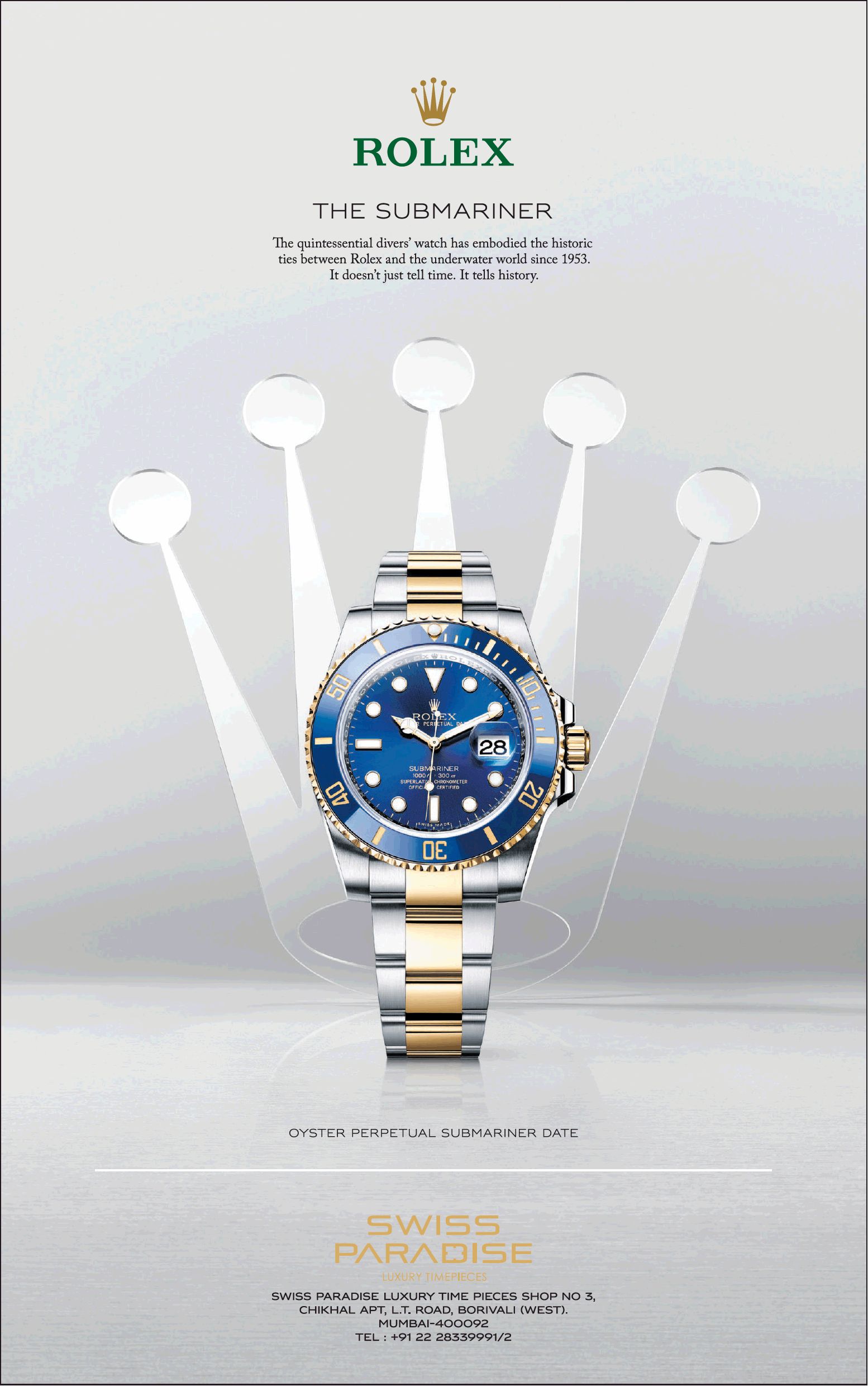
It’s almost always 10:10. That’s not a coincidence.
The hands on the watch form a subtle smile. This simple arrangement makes our brains associate Rolex with positivity and warmth. It’s a hidden smile designed to sell good feelings.
This is the Human-Likeness Effect in action.
Your brain is hardwired to find and pay attention to faces. Seeing one—even a fake one—activates the social and emotional parts of your brain, making your message feel more personal and trustworthy.
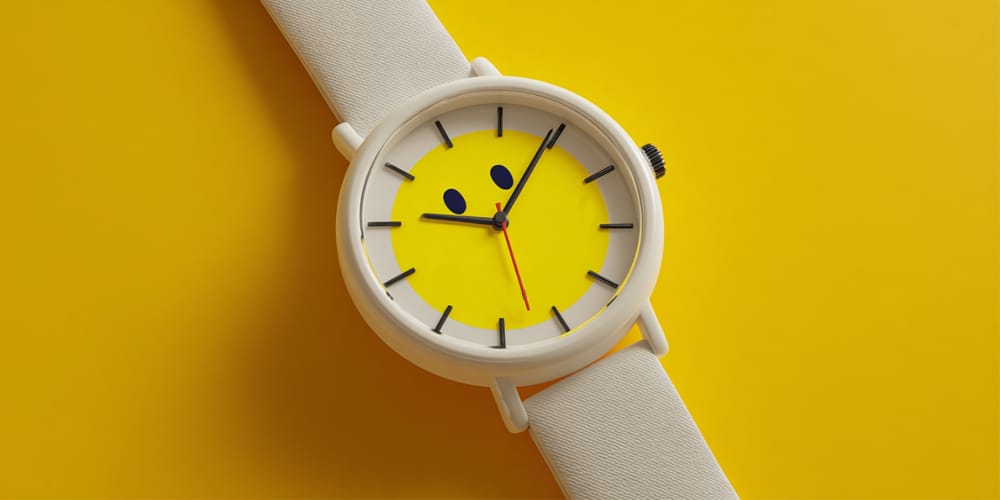
The easiest way to use this?
Add real human faces wherever you can. Put them on your landing pages, in your ads, and especially in your testimonials. It immediately communicates connection.
But what if a real face doesn’t fit your brand?
Create one.
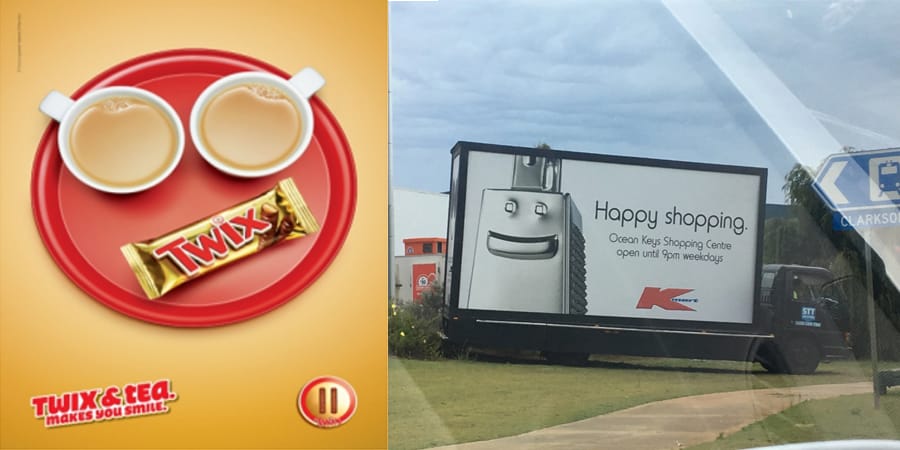
Remember, we tend to find faces even where they don’t exist. This is a phenomenon called pareidolia. You can use it to make your marketing more compelling.
Think two dots and a simple curve. A symmetrical design. Anything that subtly mimics a face can trigger that same positive emotional response.
But there’s a danger.
Push it too far, and you wander into the Uncanny Valley. This is when something looks almost human, but is just “off” enough to be deeply unsettling. Think of the backlash to the first Sonic the Hedgehog movie design.
It feels creepy, and it kills trust.
So, if you’re anthropomorphizing your brand, don’t aim for hyper-realism. Lean towards cartoonish and friendly, like the Duolingo owl. It’s safer and more emotionally engaging.

Now you know the secret.
Go out there and give your brand a face. Just make sure it’s a friendly one.
Until Tuesday,
Chuck 🤖
(Interested in behind-the-scenes or live implementation? Sign up for Ultrapreneurs. Maintained by our growth-hacker-in-residence.)