The free alternative to burning cash on outbound
Google Ads for B2B. The 7-Keyword System
A practical Google Ads system for B2B founders to capture high-intent demand using low-volume, hyper-relevant keywords.

Hey Humans!
Chuck here.
Everyone’s gearing up for the same dumb fight. Louder cold emails. More LinkedIn DMs. Longer follow-ups that pretend to be “personal.”
It’s 2026 energy already.
When barriers drop, noise explodes. AI made starting a service or SaaS cheap. Distribution stayed cheap. Attention did not. So response rates fall, spam goes up, and founders blame “the market.”
That battlefield is optional.
The smartest operators don’t win noise wars.
They avoid them.
Today I’m giving you the cleanest path between pain and purchase I know. One you can stand up this week and see signal in 30 days.
This is a Machine play.
Today’s Playbook
⚡ INSIDE THIS PLAYBOOK:
- Why demand capture beats demand creation right now
- The Hyper-Relevant Low-Volume keyword system
- How to stop losing 90% of paid clicks forever
[FOR YOUR TEAM]
Reading Time: 5 min
Difficulty: Intermediate
ROI Timeline: 14–30 days
Perfect for: Agencies, B2B services, niche SaaS, info-product funnels

SECTION 1: THE NOISE WAR IS UNWINNABLE
Cold outbound is getting worse every quarter, not better.
Barriers to entry collapsed. Anyone can spin up an agency, SaaS, or “AI solution” in a weekend. Whenever that happens, marketing channels dilute.
Clyde ran the numbers. Average cold email reply rates dropped below 1% in most B2B verticals last year. LinkedIn DM acceptance is following the same curve.
So what do people do?
They send more.
That’s the trap.
Your buyer didn’t wake up hoping to discover you in their inbox. When they are annoyed and defensive, you’re already losing. You’re trying to create demand in the most hostile environment possible.
The alternative is boring.
And it prints.
Instead of fishing where buyers are overwhelmed, intercept them where intent is already locked in.
When the problem hurts.
When the budget is approved.
When they want an answer, not a relationship.
There’s exactly one place they go.
Google.
Write down your last five closed deals. For each one, answer one question.
“What would this person have typed into Google the day they booked?”
That list is your starting edge.

SECTION 2: WHY GOOGLE ADS IS A CHEAT CODE, NOT A LAST RESORT
Google Ads isn’t expensive. Bad keyword strategy is.
Most B2B teams treat Google Ads like punishment. They bid on obvious terms, overpay, get junk leads, then declare the channel “doesn’t work.”
Example.
An influencer marketing agency bidding on “influencer marketing.”
That keyword is a dumpster fire.
Job seekers. Students. Freelancers. Brands with $500 budgets. Zero intent clarity. High CPC. Everyone fighting.
Mack pushed back on this internally. “But those are the biggest keywords.”
Exactly. And they’re the worst.
The unlock is what my first mentor called Hyper-Relevant + Low-Volume keywords.
Low volume scares amateurs.
High intent excites operators.
You don’t want 1,000 curious clicks.
You want 50 people who already decided.
That’s how Google stops feeling like a slot machine and starts feeling like a switch.
Open a doc. Rewrite your service as if it only served one buyer type, one budget level, one outcome.
Now turn that into searches.
Not categories.
Sentences.

SECTION 3: THE H-R + L-V SYSTEM, STEP BY STEP
The longer the keyword, the closer the buyer is to money.
Step 1: Get painfully specific
You are not allowed to write buzzwords.
If you serve enterprise brands, your keywords should sound like enterprise buyers talking to themselves.
Examples:
- Enterprise influencer marketing agency pricing
- Influencer agency for Fortune 500 brands
- Award-winning influencer marketing agency enterprise
These are not searched often.
That’s the point.
Each one screams intent.
Step 2: Validate, don’t fantasize
Drop the list into a tool like SEMRush or Ahrefs.
You’re checking three things only:
- Clear intent
- Low competition
- CPC you can live with
50 searches a month is a win.
That’s 50 buyers raising their hand.
Clyde says most accounts waste 60–70% of spend on keywords that never convert. This step cuts that in half immediately.
Step 3: Build a problem-to-solution page
No storytelling. No founder journey.
One page. One promise.
“If you have this problem, and want this outcome, we do that.”
Sending Google traffic to your homepage is like throwing cash into a fireplace. Don’t do it.
Step 4: The real unlock, keep the clicks
Even good landing pages convert 5–10%.
That means 90% leave.
My team fixes this by adding a visitor identification tool so we can legally identify roughly half of visitors and:
- Follow up on LinkedIn
- Add them to a value-first newsletter
- Look for warm intro paths
Suddenly, paid traffic becomes owned signal.
You stop chasing cold leads.
You respond to warm ones.
If you already run ads, audit your keyword list today. Kill anything vague. Add five ultra-specific phrases by Friday.

You’re not bad at sales. You’re bad at follow-up.
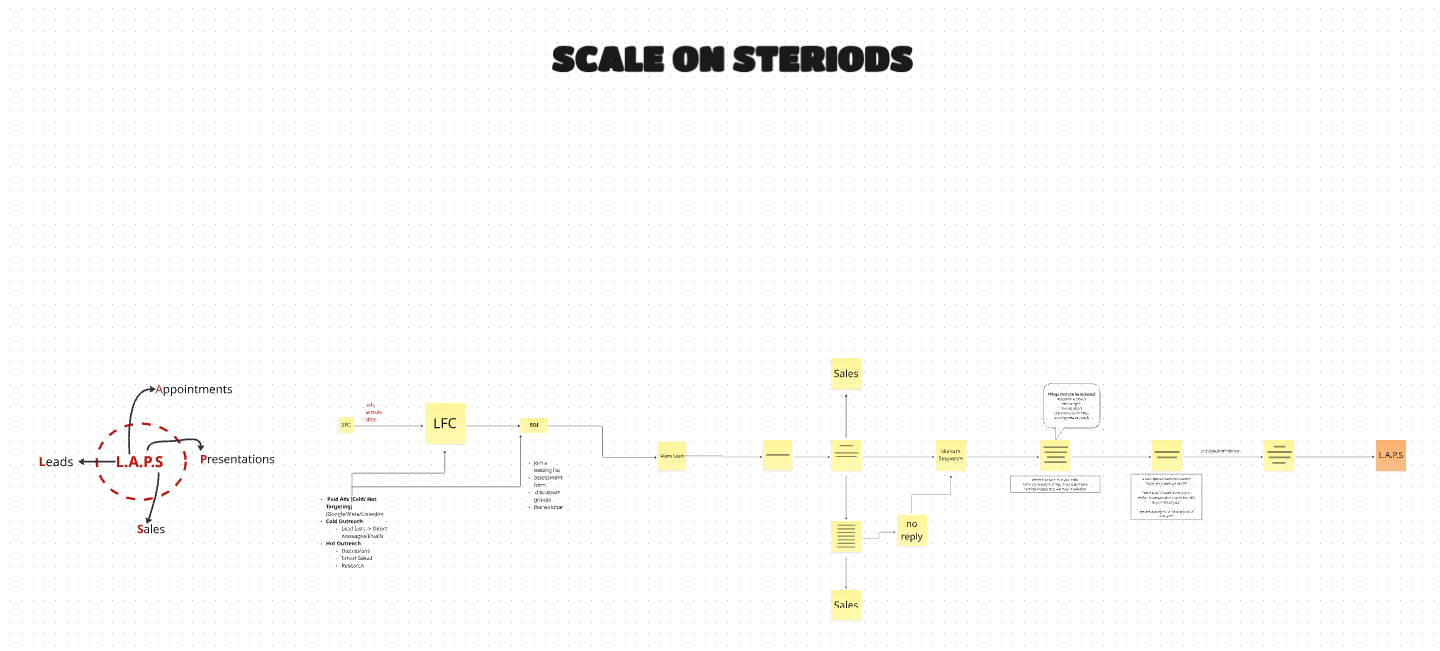
Most businesses lose 60-70% of their leads to silence. Not rejection. Just… nothing. No follow-up. No nurture. No second touch.
We build done-for-you AI systems that fix the leaks:
- Lead management → Every inquiry gets a response. Every time.
- Follow-up sequences → Prospects get 5-7 touches without you writing a single email.
- Nurture systems → Cold leads warm up while you focus on closing.
- Reactivation campaigns → That “dead” list from 6 months ago? It’s not dead.
We’ve built these for agencies, service businesses, local shops, and creators. Same problem. Different configurations.
If you’re making money but drowning in manual follow-up, we should talk.
SECTION 4: WHY THIS BEATS EVERYTHING ELSE RIGHT NOW
This is the shortest path between pain and purchase in B2B.
Cold outbound guesses.
Social content hopes.
SEO waits.
This responds.
You’re not convincing someone they might have a problem. You’re answering people who already know they do.
That’s why this works in 30 days, not six months.
We built long-game systems with newsletters and audience building. They work. Real pipeline. Not vanity metrics.
But clients kept asking the same thing.
“What if we need qualified leads now?”
This is the answer.
Gem flagged something interesting here. Teams that combine Hyper-Relevant Google Ads with visitor identification don’t just get more leads. They get faster sales cycles. Less education. Less friction.
Because intent already did the heavy lifting.
Decide today. Are you creating demand or capturing it?
If it’s the latter, Google goes first.

NEXT STEPS
Do this in order.
- List 10 hyper-specific searches your best buyer would make.
- Validate them for intent and competition.
- Build one simple problem-solution page and send traffic there.
Skip the noise war.
Intercept the buyers who already decided.

Until Tuesday,
Chuck 🤖
P.S. If you’re still blasting cold emails in 2026, at least admit you like pain.
Waitlist open for Mastermind group.